

free resources
guided meditation and visualizations
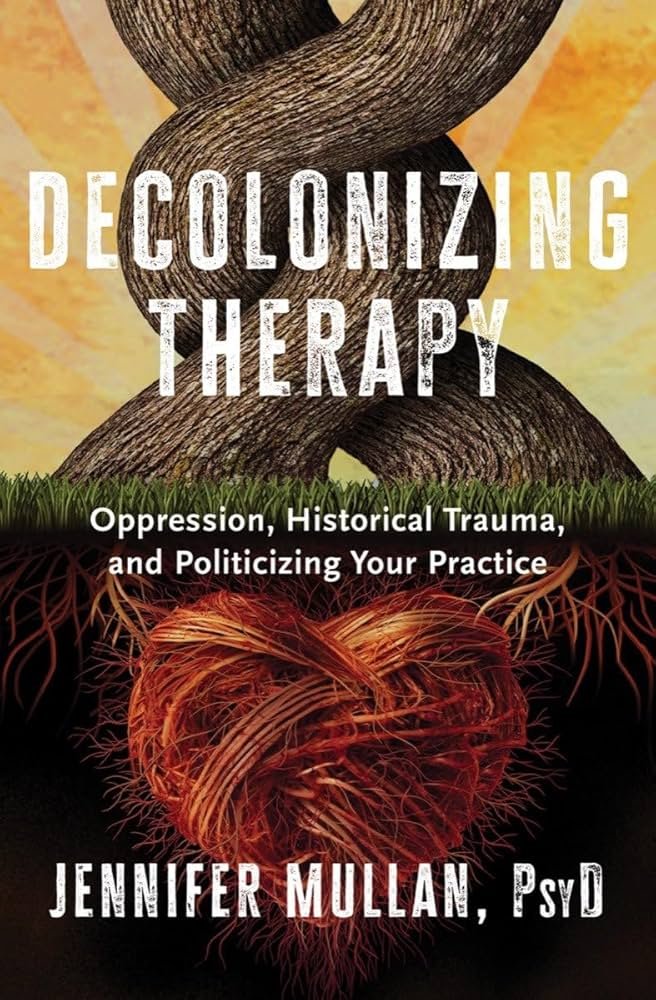
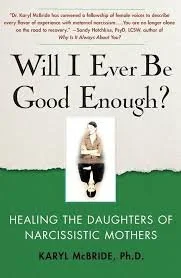
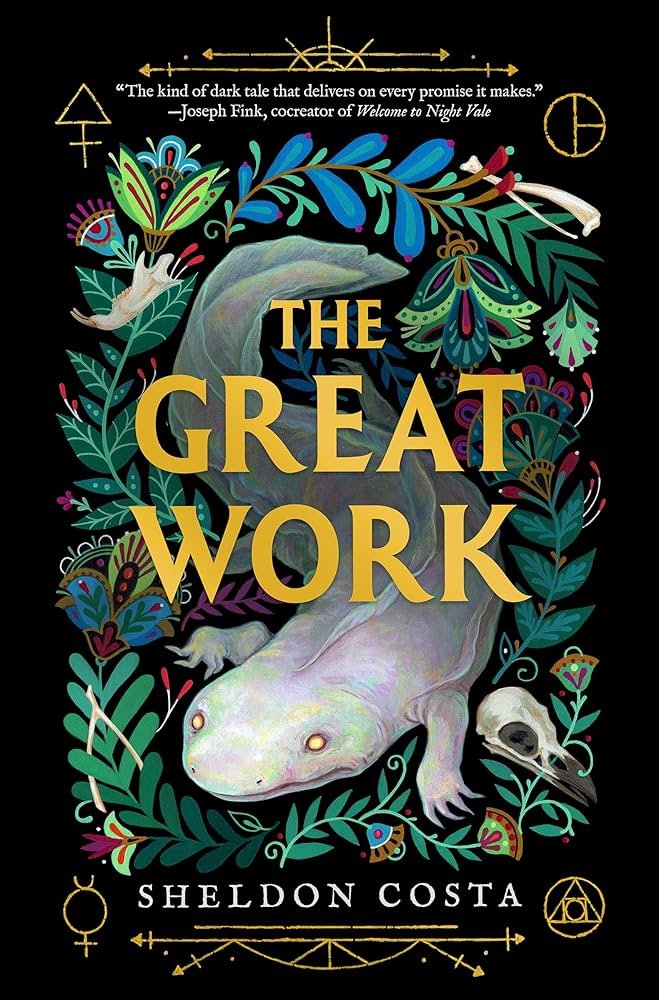
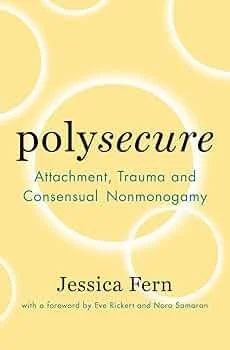
book recommendations
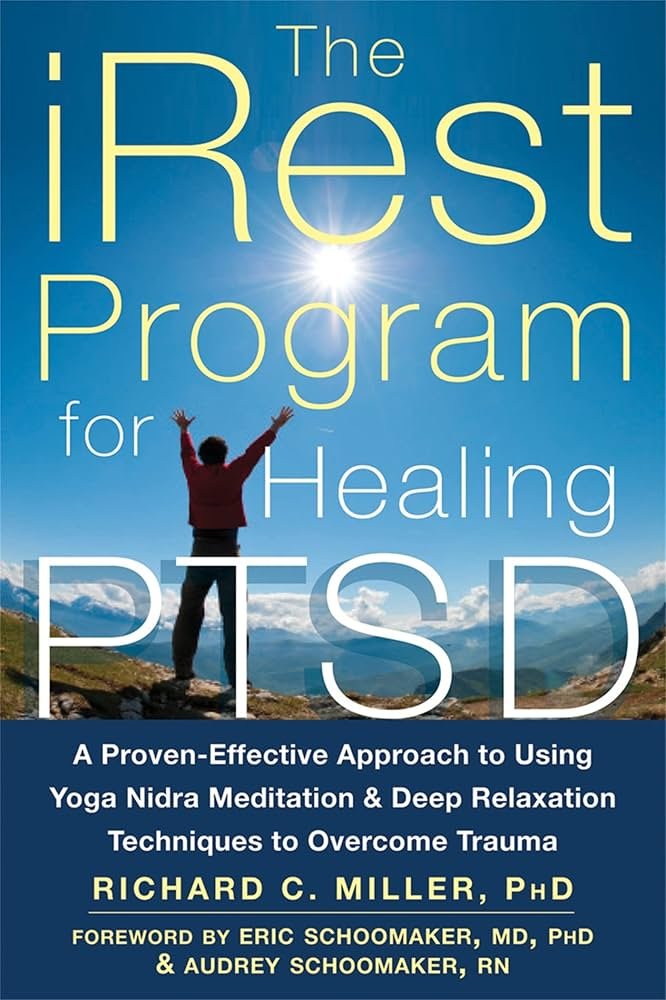

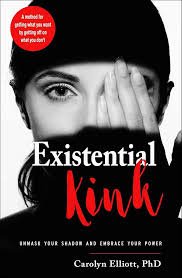
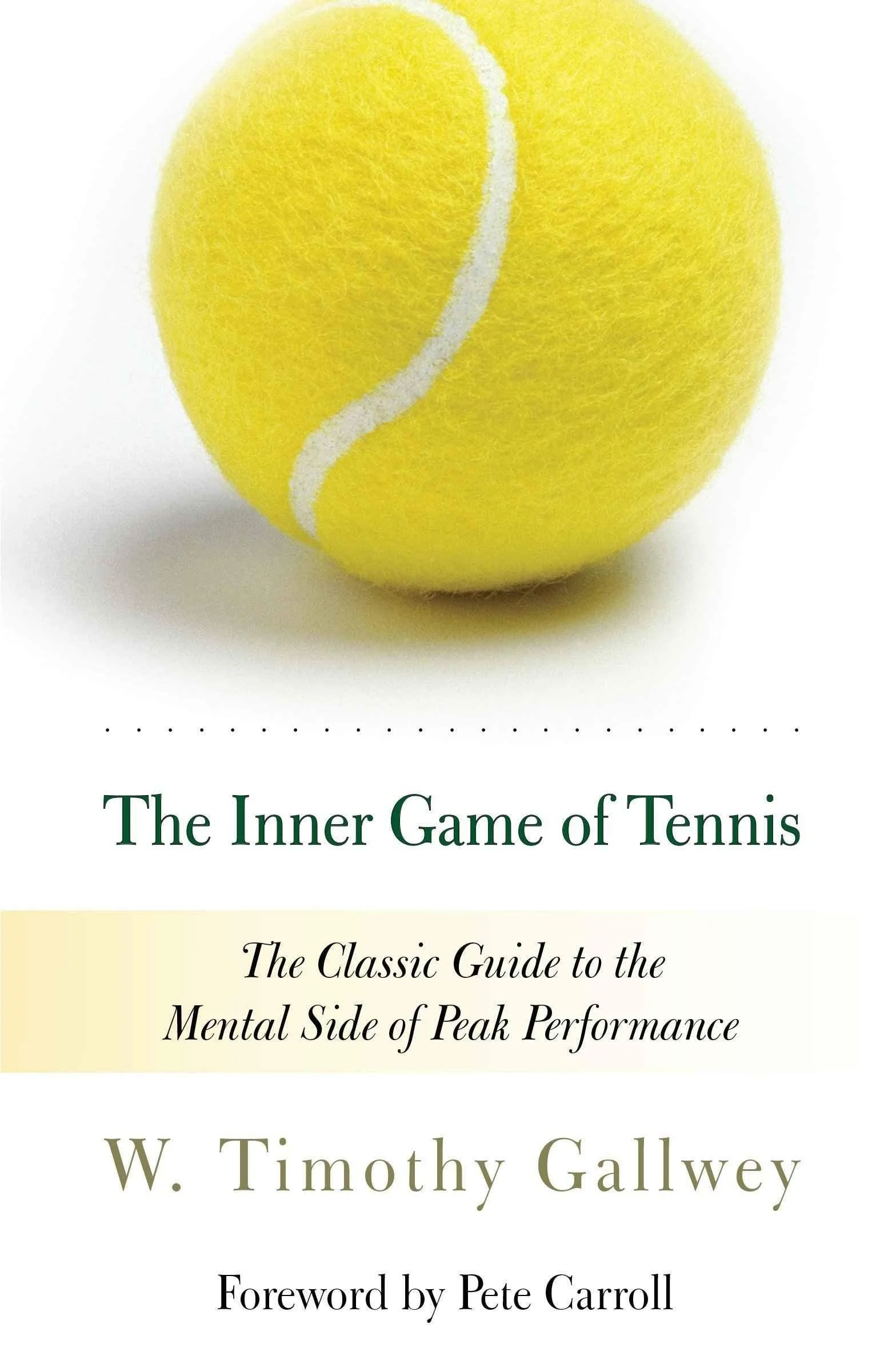
-
Despite being dyslexic, I love a good book. I love books that teach me something, books that challenge me, books that make me feel something unexpected sitting in the laundromat waiting for laundry to dry, and books that leave me staring blankly off into the distance wondering how a stranger manage to capture something I have felt my entire life but didn’t have words for.
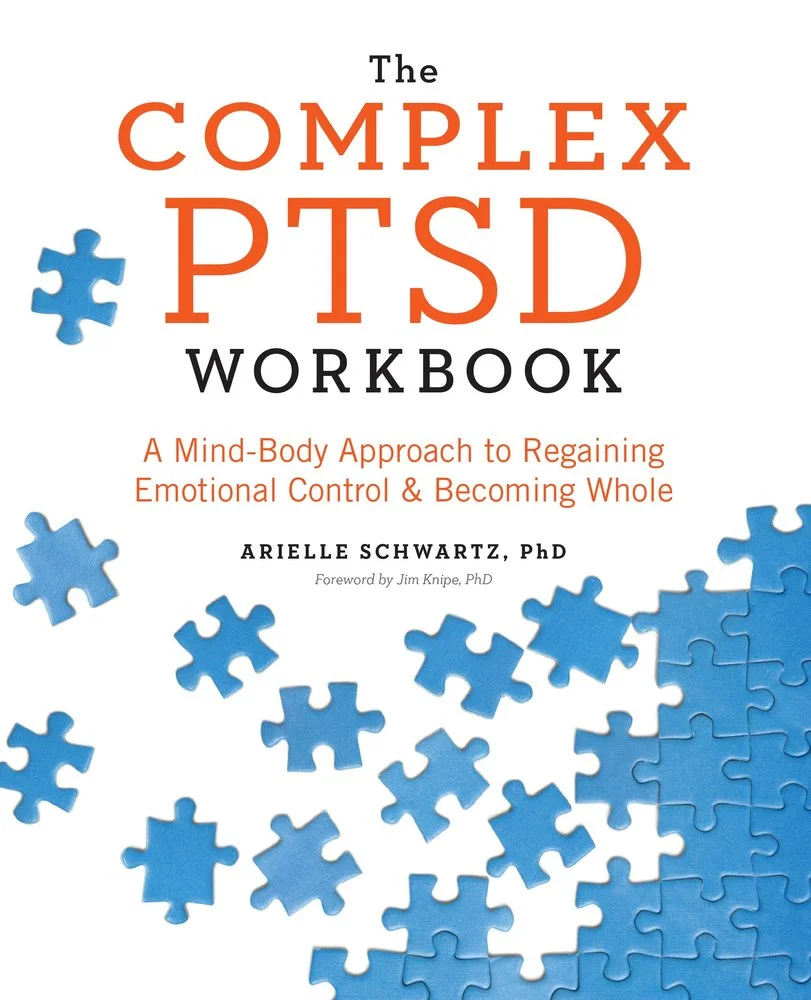
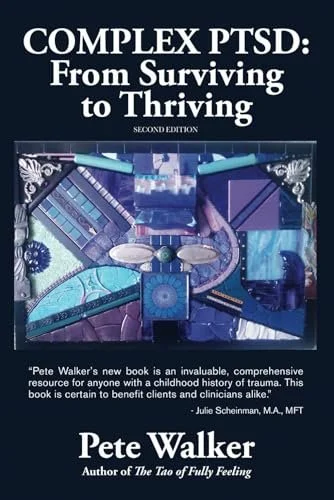
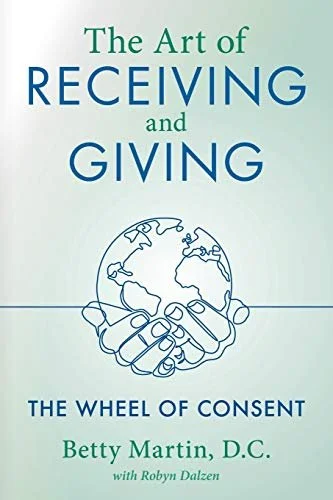
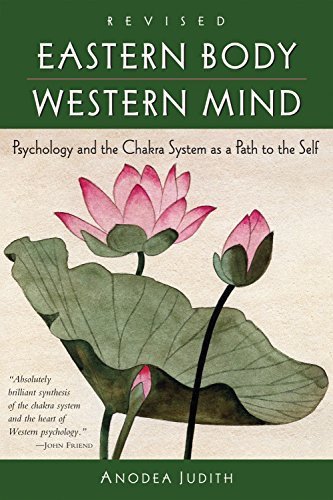
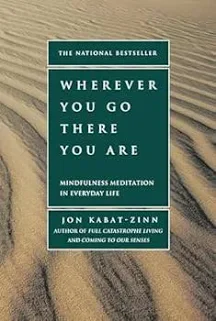
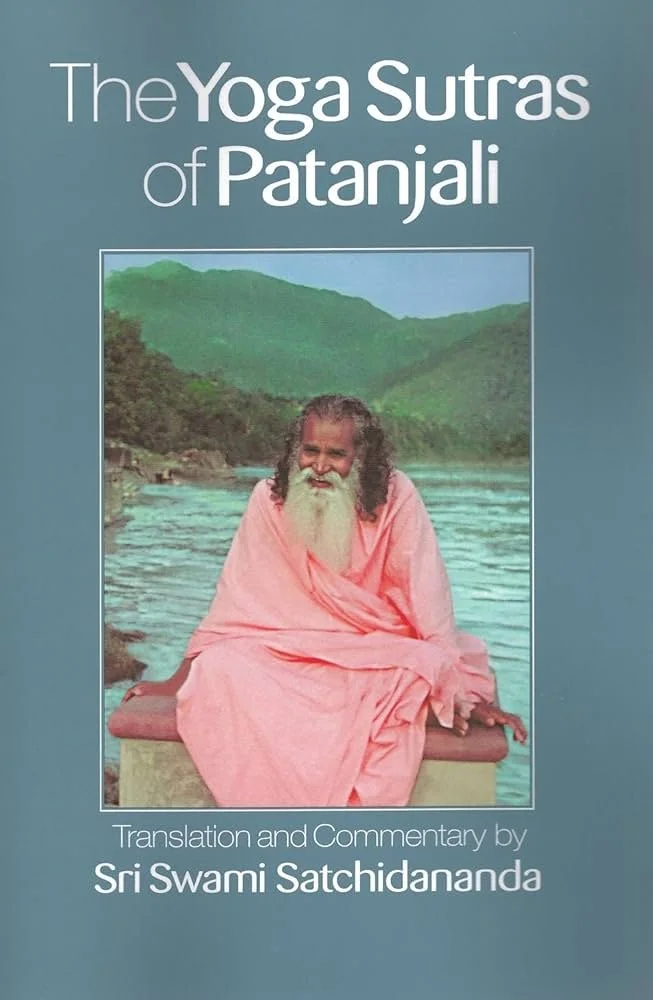
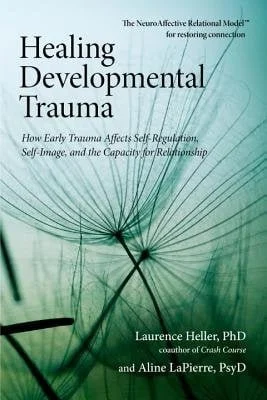
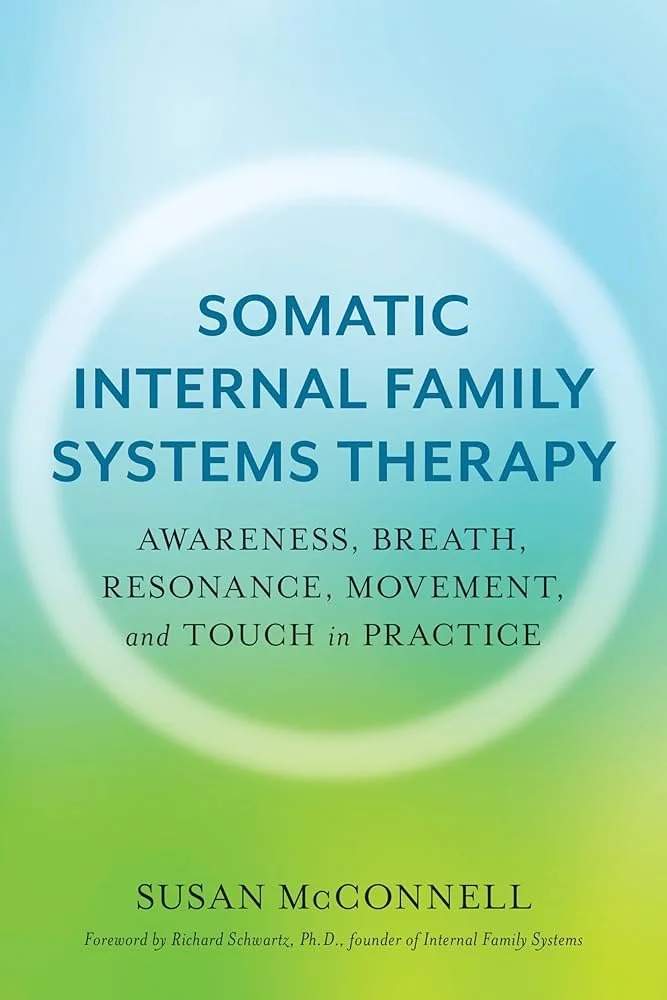
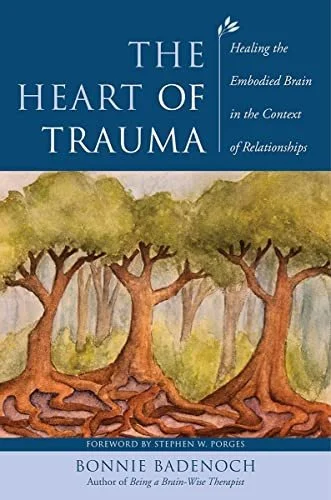
This offering of books are ones that have been supportive in my own growth and books that I frequently recommend to clients. They are everything from workbooks packed with tools and prompts, to novels and books of poetry. Some focus on specific topics related to mental health, trauma , relationships, identity, grief and healing. Others focus on contemplative practices, mediation and mindfulness practice. And some offer something a little harder to define, the experience of feeling seen, understood, connected or expanded by a story or another’s lived or imagined experience.
-
One of the reasons I adore reading is that books and stories can remind us we are not the first person to struggle with what we're struggling with. Through stories and shared wisdom, we can find language for our experiences, discover new possibilities, and feel a little less alone in the amazingly awful, messy project of being human. This is one of the foundations of bibliotherapy and narrative therapy, the idea that healing can happen through encountering ideas, stories, and perspectives that help us make meaning of our own lives.
-
Insight is not the same thing as healing. I know, what a terrible thing to say.
“You mean I CAN’T learn my way out of my suffering?”
Books can offer wisdom, but they cannot feel your feelings for you. They cannot grieve, rest, rage, risk, connect, set boundaries, or have hard conversations on your behalf.
My caution here is that , sometimes, reading can become another way to stay in our heads, gathering more information, highlighting more passages, buying another self-help book because surely this one contains the secret. If this is you, i encourage you to take a breath and notice what you might be avoiding, or at lease move forward knowing the choice your are making.
-
I invite you to approach these recommendations with curiosity rather than self-improvement, fix it pressure. Read what draws you in. Put down what doesn't. Let a book accompany you rather than become another thing to achieve. Take what is useful, leave what isn't, and remember that the most important relationship in this process is not the one you have with the book, it's the one you have with yourself.
May these books offer insight, comfort, challenge, companionship, and the occasional well-timed existential crisis.





In yoga philosophy, breath is a relationship. It is a bridge between our internal and external world, a bridge between our body and awareness, a significant way that take in and let out.
Breath is one of the few body systems that exists at the intersection of the voluntary and involuntary. We can consciously influence it, but it is also happening on its own every moment of every day. Because of this unique relationship, breath has been explored for thousands of years as a pathway to greater awareness, regulation, presence, and connection. Breathwork teaches us that we can impact our experiences (different from controlling them).
pranayama breath

AND even though I deeply believe in the significance and value of breath exploration, I often find it has been oversimplified and marketed as an “off switch” to distress. It leads people to write it off as too simple, not effective and a insensitive suggestion. We have all heard some version of "just take a deep breath" as though stress, anxiety, or overwhelm will magically be “solved.” While breath can absolutely have an immediate impact, I view it less as a quick fix and more as a long-term relationship and practice. For many, breath starts as an exercise not a coping skill. It is a practice, and exercise to strengthen our nervous system. Once we have strengthened that exercise can shift to a coping skill.
long slow deep breath
-
Activates the parasympathetic nervous system
Relaxing and calming
With regular practice increases the bodies ability to tolerate stressful situations
With regular practice, strengthens ability to change nervous system states
Lowers heart rate
-
To ⬇ down regulate your nervous system
When feeling activated or overwhelmed
Before going to sleep
When experiencing racing thoughts or feeling spirally
-
if extending the exhale creates air hunger
shorten the ratio or use another breath
if you have sever asthma, COPD or active lung infections
consult your doctor regarding breath work practices
use non breath related grounding strategies
if you have heart disease or uncontrolled high blood pressure
consult your doctor regarding breath work practices
use non breath related grounding strategies
shift to awareness based breath exploration (noticing the breath rather than manipulating it)
if you are prone to fainting
consult your doctor regarding breath work practices
practice sitting or lying down in a safe space
Shorten the ratio of inhale and exhale
-
Sit or lay in a comfortable possition
(optional) place hand(s) on the belly
inhale thought the nose, filling into the belly and then the chest
exhale thought the nose, letting the chest soften and then the belly soften
count how long your natural inhales are and extend the exhale by 1-2 seconds
ex: your inhale is 3 seconds try and make your exhale 4-5 seconds
do not strain into extending the exhale
work up to the exhale being 5-7 seconds in length
-
any trauma informed things
-
physiological sigh
-
Activates the parasympathetic nervous system
Relaxing and calming
With regular practice improves mood and lowers anxiety
With regular practice, strengthens ability to change nervous system states
Lowers breath rate
-
To ⬇ down regulate your nervous system
When feeling activated or overwhelmed
As daily maintenance to lower baseline stress and improve mood
Before engaging in a known stressful activity (making a speech, making an important phone call, going out to play a sport)
When experiencing racing thoughts or feeling spirally
-
if you have sever asthma, COPD or active lung infections
consult your doctor regarding breath work practices
Do not force the inhalation to its maximum capacity
use non breath related grounding strategies
if you have heart disease or uncontrolled high blood pressure
consult your doctor regarding breath work practices
use non breath related grounding strategies
shift to awareness based breath exploration (noticing the breath rather than manipulating it)
if you have an aneurysm
consult your doctor regarding breath work practices
do not practice this breath
if pregnant
consult your doctor regarding breath work practices
if you are prone to fainting
consult your doctor regarding breath work practices
practice sitting or lying down in a safe space
Do not force the inhalation to its maximum capacity
for those with anxiety, PTSD or Panic Disorder
this breath can be helpful but also can paradoxically trigger anxiety symptoms and somatic flashbacks
if you start feeling more panicky, stop the breath pattern.
Return to normal breathing and switch to a grounding or orienting tool (ex: pushing feet into ground, 5,2,3,2,1 senses)
-
Find a position where you are sable and supported
exhale to begin
inhale through the noes until your lungs are mostly full
take a second shorter sip of air in at the top of your inhale
exhale through the mouth, with an audible sigh
use as needed or practice for approximately 5 minutes, daily
-
any trauma informed things
-
in
●
out
○
in ● out ○
Movement Practices
request a tool or a resourceMy intention is to provide resources that are free and helpful. Feel free to request a resource via this form! I have started from what clients have found helpful and what I find helpful in my own personal practices and am happy to expand!